Nitrous Oxide - (N₂O)

How N2O Works to Treat Depression
Nitrous oxide (N₂O)—the same gas often called “laughing gas”—has been studied as a rapid-acting treatment for depression, especially treatment-resistant depression. It doesn’t work like traditional antidepressants, and that’s a big part of why it’s interesting.
Here’s the clear, science-level explanation
- The core mechanism: NMDA receptor blockade
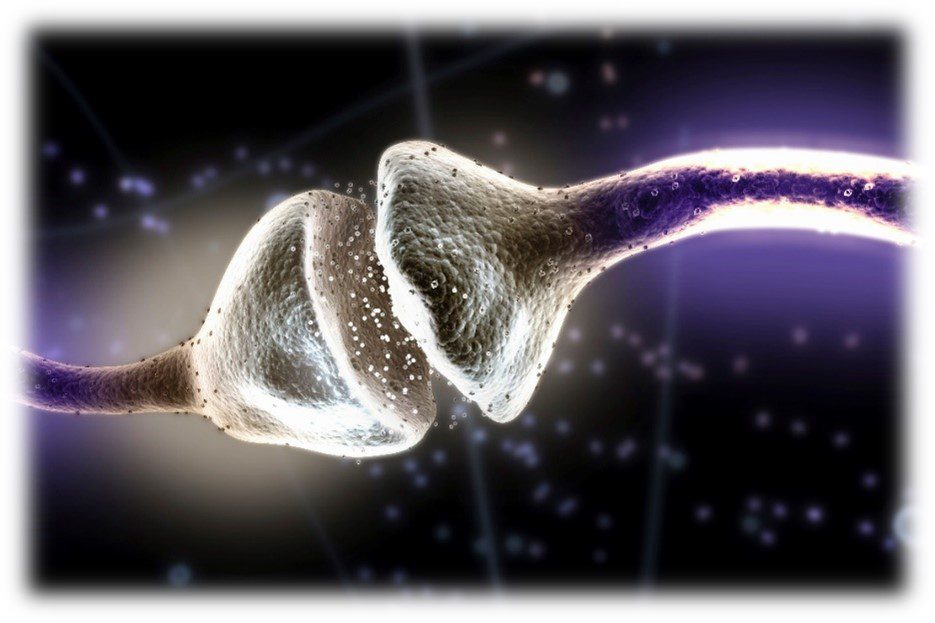
Nitrous oxide primarily works by blocking NMDA receptors, which are part of the brain’s glutamate system.
- Glutamate is the brain’s main excitatory neurotransmitter
- In depression, glutamate signaling can be dysregulated
- NMDA receptors are one of glutamate’s main receptor types
By inhibiting NMDA receptors, nitrous oxide:
- Reduces pathological overactivity in certain neural circuits
- Triggers downstream changes that promote healthier signaling
This is very similar to ketamine, which is why researchers became interested in N₂O in the first place.
- Rapid antidepressant effects (hours, not weeks)
Unlike SSRIs (which work over weeks), nitrous oxide can produce improvement within hours.
Why?
- NMDA blockade causes a surge in AMPA receptor activity
- This boosts brain-derived neurotrophic factor (BDNF)
- BDNF promotes synaptic plasticity (the brain’s ability to rewire)
In simple terms:
Nitrous oxide helps the brain form new, healthier connections, especially in mood-regulating regions like the prefrontal cortex.
- Effects on mood circuits
Nitrous oxide indirectly influences key brain areas involved in depression:
- Prefrontal cortex → improves top-down emotional regulation
- Limbic system (amygdala) → reduces negative emotional bias
- Default mode network → may decrease rumination and self-focused negative thought loops
This helps explain why patients often report:
- Less emotional heaviness
- Reduced suicidal ideation
- A sense of mental “relief” or clarity
- Opioid and GABA involvement (secondary effects)
Nitrous oxide also:
- Stimulates endogenous opioid release
- Enhances GABAergic inhibition
These effects likely contribute to:
- Short-term anxiolysis
- Feelings of calm or mild euphoria
But these are not believed to be the primary antidepressant mechanism—the glutamate pathway is the star of the show.
- How it’s administered in depression studies
Typically:
- Low concentrations (e.g., 25–50% mixed with oxygen)
- Single session, often ~1 hour
- Effects can last days to weeks after one treatment
Importantly:
- This is not recreational dosing
- It’s done in controlled, medical settings
- Most private payers and Medicare do not cover nitrous oxide for non-dental, non-surgical purpose